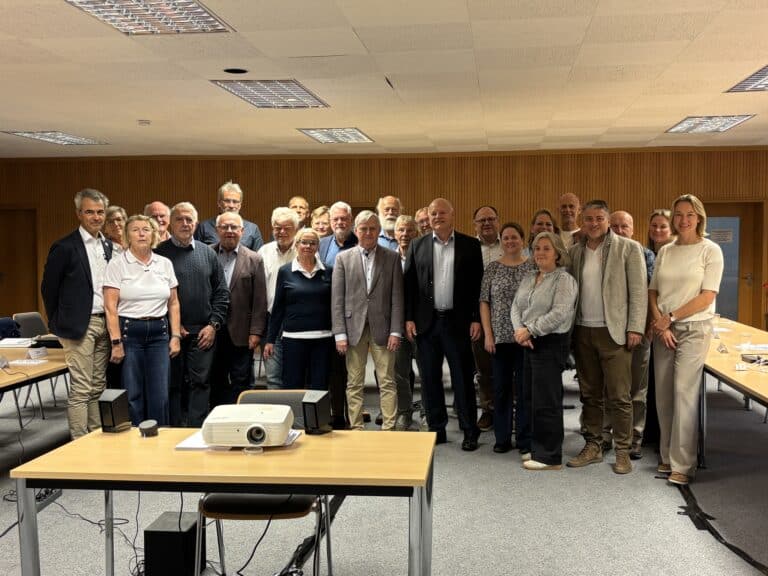
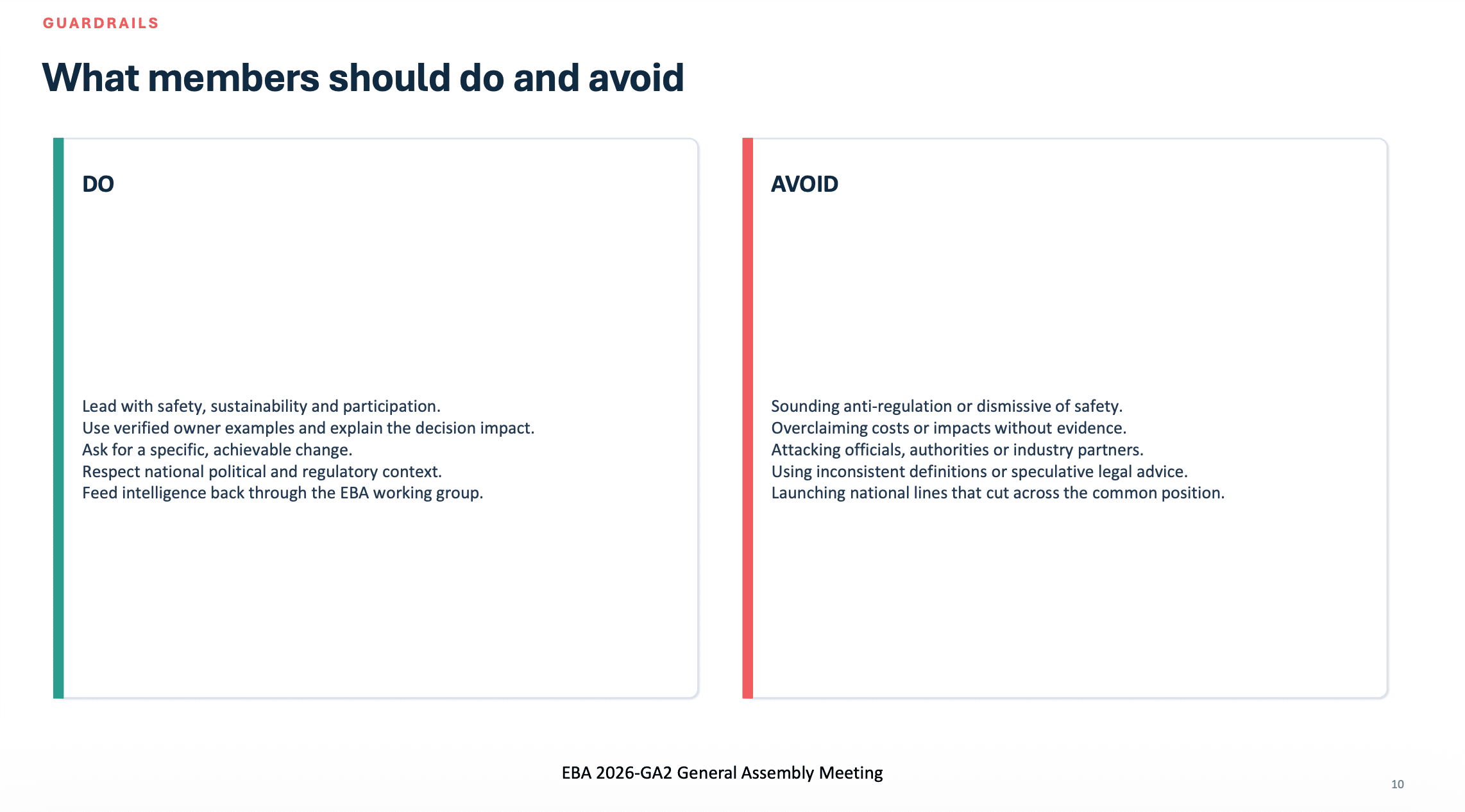
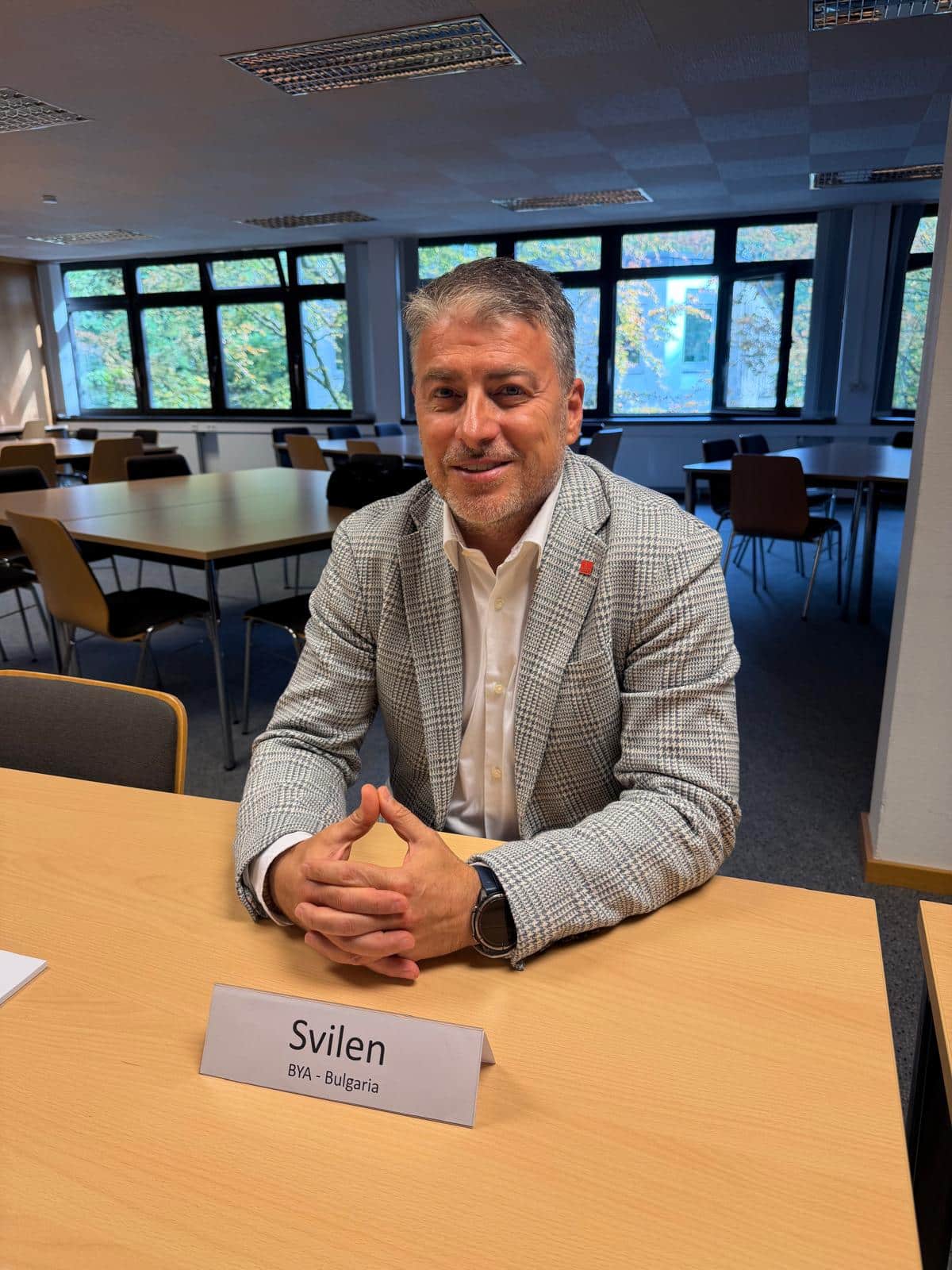
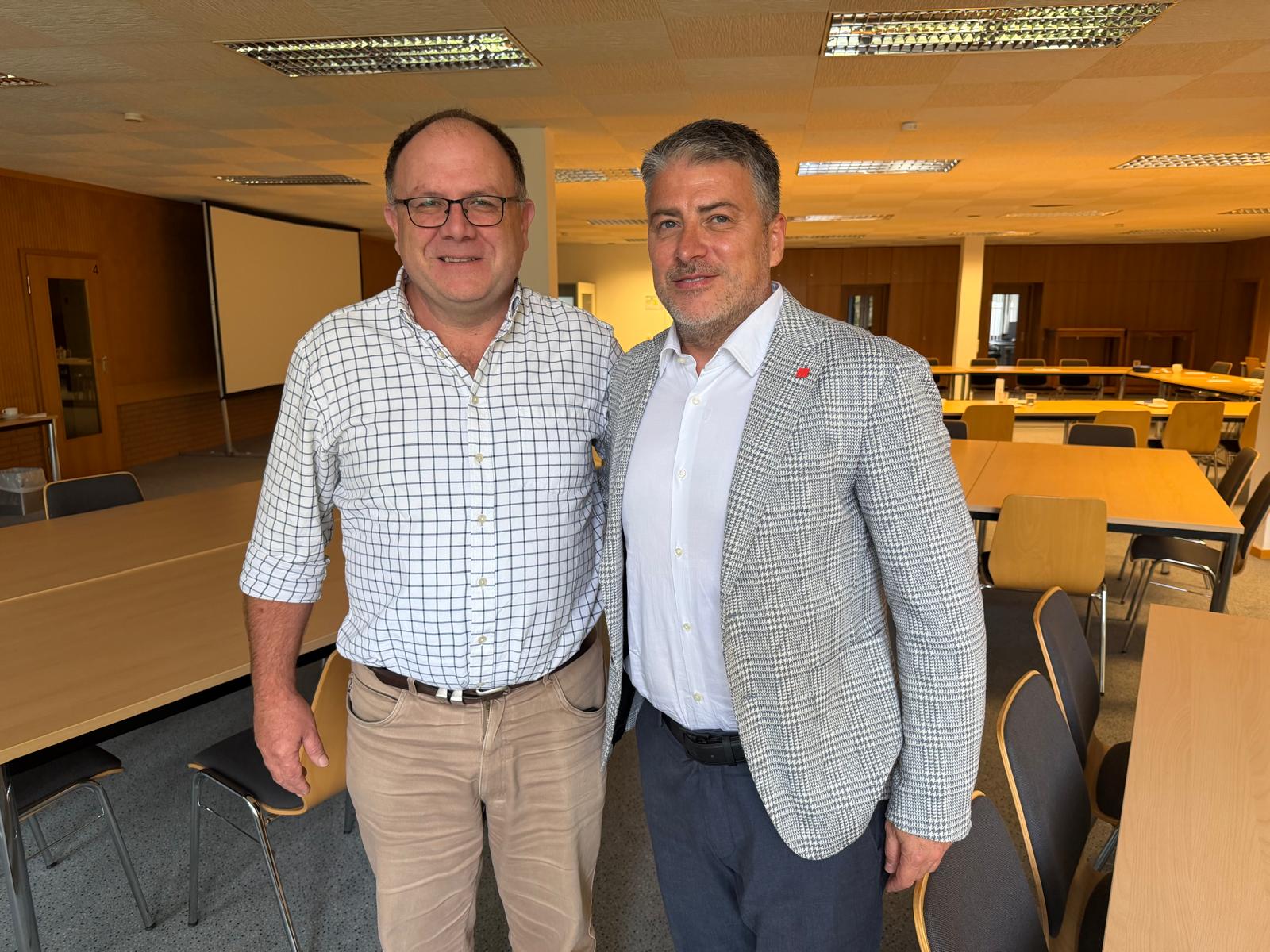
The Bulgarian Yachting Association (BYA) continues to strengthen Bulgaria’s representation within the European boating community through its membership in the European Boating Association (EBA). The second EBA General Assembly of 2026 took place in Hamburg, Germany, bringing together representatives for two days of discussions on issues affecting recreational boating across Europe.
Founded in 1982, the EBA represents national boating organisations and works to ensure that the interests of recreational boaters are considered in European legislation and policy. Its work spans safety, environmental protection, technical standards and regulatory matters- issues that affect boaters, maritime professionals and the wider boating industry.
Safety was a central theme of the meeting, with discussions covering emergency equipment, onboard safety practices and the growing challenges associated with electronic navigation.
The delegates discussed the use of electronic visual distress signals (eVDS) as an alternative to conventional pyrotechnic distress signals, such as hand flares.
Electronic devices offer potential advantages, including ease of use and the elimination of the fire and injury risks associated with pyrotechnics. The EBA supports greater acceptance of these systems as an alternative, while their regulatory status and approval requirements remain important considerations.
The discussion reflects a broader question for the sector: how can safety equipment evolve alongside technology while maintaining the reliability and standards required in emergency situations?
Another important topic was the increasing impact of GPS jamming and spoofing, particularly in the Baltic Sea region.
GPS jamming disrupts satellite navigation signals, while spoofing can provide misleading positioning information. Both can create serious risks for vessels that rely heavily on electronic navigation systems.
Representatives shared experiences of these disruptions and discussed their implications for safe navigation. The key message was clear: electronic systems are valuable tools, but they should not replace fundamental navigation skills.
Traditional methods, including compass use, chartwork and identifying landmarks and navigational marks remain essential skills for anyone navigating at sea. These methods provide an important additional layer of safety when electronic systems become unreliable.
The meeting also addressed the possibility of greater standardisation of electronic nautical charts across Europe, with further consideration needed.
Environmental protection was another major focus, particularly the preservation of seagrass meadows and the adoption of more environmentally responsible mooring systems.
Seagrass meadows provide important habitats for marine life and play a valuable role in storing carbon. However, anchoring and conventional mooring systems can damage these sensitive underwater ecosystems when anchors or chains disturb the seabed.
The delegates explored alternative mooring solutions designed to reduce the impact of chains dragging across the seabed. These systems can help protect seagrass while allowing boating activities to continue.
For the recreational boating sector, the challenge is to find practical solutions that balance access to waterways with the long-term protection of the marine environment.
This is particularly relevant to coastal destinations such as Bulgaria’s Black Sea region, where the sustainable development of boating and nautical tourism depends on preserving the natural environment that makes these destinations attractive in the first place.
The meeting also examined the use of engine emergency-stop systems, commonly known as kill cords, on open motorboats.
These systems stop the engine if the person operating the boat falls overboard, helping prevent an unmanned vessel from continuing to move uncontrollably.
Requirements vary between European countries. The Netherlands, for example, has rules requiring the use of an emergency- stop system on certain fast open motorboats.
The discussion highlighted the importance of awareness and education in improving boating safety. Rather than relying on regulation alone, boating organisations can help promote responsible practices and encourage boaters to understand and use available safety equipment.
The General Assembly also marked a change in the organisation’s leadership.
Peter Lauritz Larsen of the Norwegian Sailing Federation was elected EBA President for the next four years. He succeeds Jan Jansson of the Finnish sailing and boating federation, who did not seek another term for personal reasons.
The new leadership aims to strengthen EBA’s strategic direction and its influence on decisions affecting recreational boating in Europe.
Strong cooperation between national associations remains essential to this work. By sharing knowledge, identifying common challenges and developing coordinated positions, the organisations can contribute to more consistent and effective approaches to boating across Europe.
For the Bulgarian Yachting Association, participation in the EBA provides an opportunity to follow developments at the European level, exchange expertise with other national organisations and contribute to discussions that may affect the future of boating in Bulgaria. Topics such as safety standards, navigation, environmental protection and regulatory alignment are relevant across the sector, regardless of a country's size or position within the European boating market. Through international cooperation, BYA aims to help connect Bulgaria's boating community with wider European initiatives, while bringing relevant knowledge and perspectives back to its members. Our participation is part of a broader commitment to strengthening Bulgaria's position in the international yachting community- by building relationships, sharing expertise and ensuring that the perspectives of our sector are part of the conversation.
Svilen Vodenicharov, Chairman of the Bulgarian Yachting Association
Share on: